
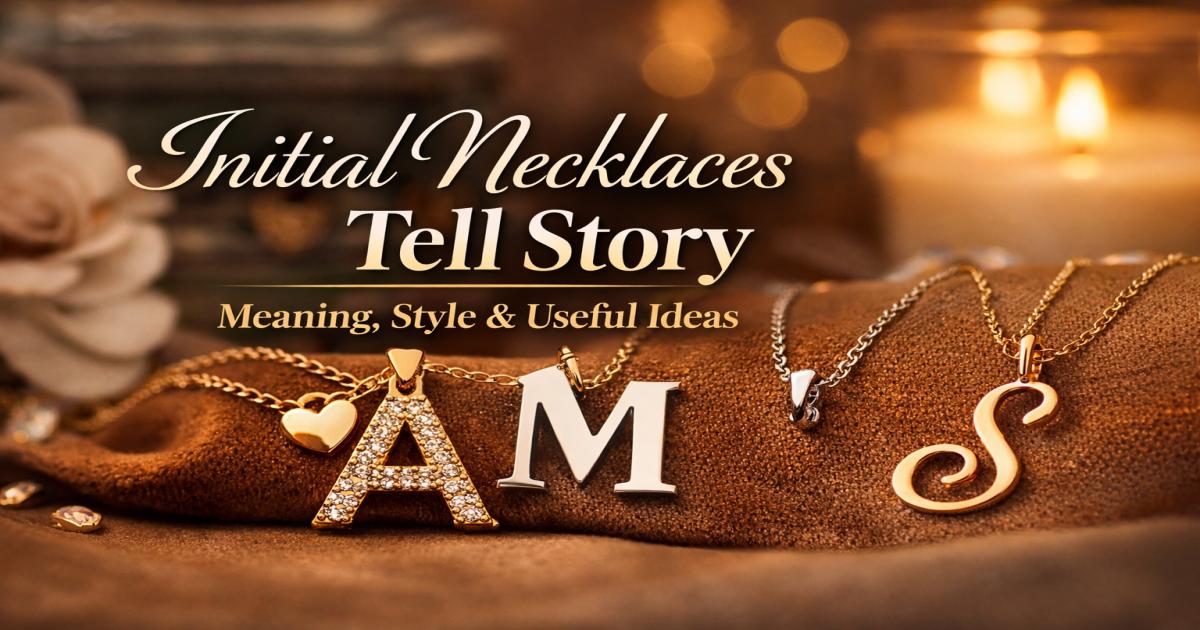
Why Initial Necklaces Tell Story Usefulideas: Meaning, Style & Personal Expression
Initial necklaces are small, simple, and quietly powerful. In a world of fast fashion and loud trends, these tiny pendants act like readable jewelry: they carry names, dates, initials, and memories. This article explains why Initial Necklaces Tell Story Usefulideas, how they became meaningful, and how to choose, style, care for, and even gift them so the story lasts. I’ll combine cultural context, current trends, practical tips, and expert-backed care and resale notes so you can write, wear, or sell with confidence.
Why Initial Necklaces Still Matter
A single letter on a chain can signal identity, love, memory, or style. Initial necklaces feel personal in a way that mass-produced accessories rarely do because they’re literal shorthand for people or moments: A for Ayesha, M for Mom, or the letter that marks an important surname. Beyond the obvious personalization, wearing initials does something subtle; it makes private meanings public in an elegant, quiet way. For many people, that private-to-public translation is exactly what Initial Necklaces Tell Story is all about.
Personalization in jewelry is also one of the enduring micro-trends in fashion: consumers keep returning to small, meaningful pieces rather than showy one-off statements, which keeps initial necklaces relevant across seasons and demographics.
A Brief History of Initial & Personalized Necklaces
The idea of marking jewelry with identity goes way back. Ancient Egyptians used cartouches (name plaques) to carry personal identity and protection. In later centuries, monograms and engraved lockets became fashionable among European nobility and eventually spread into popular use. Letter-based and monogram jewelry kept reappearing each time, adapted to modern materials and typography, so today’s initial necklaces are part of a very long tradition of wearing identity.
Modern initial necklaces as we know them (single-letter pendants, cursive initials, block letters, and nameplates) re-emerged strongly in late 20th and early 21st century fashion and were popularized by both celebrity culture and accessible direct-to-consumer jewelry brands. The form is simple but versatile, which explains why it keeps returning in contemporary trend cycles.
What an Initial Necklace Can Mean (Emotional & Symbolic Uses)
Initial necklaces are more than an ornament. Here are the primary emotional and symbolic uses people give them:
- Identity & Self-expression: Wearing your own initial can be an act of self-ownership and pride.
- Memory & Remembrance: Initials stand in for people who matter (partners, children, late loved ones).
- Bonding & Family: Matching initials between relatives or friends is a discreet way to show belonging.
- Milestones: An initial can mark a birth date, graduation, or other important life events.
- Wellness & Mindfulness: The act of choosing personalization can be reflective, a small ritual of meaning-making.
Because the meaning is person-dependent, a single letter can have multiple-layered narratives, and that’s why Initial Necklaces Tell Story so effectively: stories are compact, portable, and wearable.
How Initial Necklaces Tell Story: 5 Ways Letters Become Narratives
Letters are symbols; how we place them matters. Below are five common narrative techniques by which initials become stories:
- Single initial as autobiography
Wearer’s own initial signals identity and self-value, sometimes the first step in a “signature” personal style. - Couple or family initials as relationship shorthand
A pendant with two intertwined letters or two stacked necklaces tells a story of relationship, parenthood, or friendship without using words. - Initial + date or symbol = life timeline
Pair an initial with a small date engraving or a symbol (a heart, star, or tiny gemstone) to mark a birth or milestone. The letter becomes an anchor for time. - Font and material as voice & era
A chunky block initial suggests boldness or modernity; an ornate script initial reads vintage and romantic. Metal choice (yellow gold vs. recycled silver) adds cultural or ethical subtext to the story. - Layering & placement as chaptering
A short chain with an initial close to the collarbone, plus a longer nameplate, gives visual narrative foreground and context, the main character and their backstory.
These five tactics show how style decisions transform a single letter into a readable, layered narrative that evolves as the wearer does.
Popular Initial Necklace Styles & Materials (Current Trends)
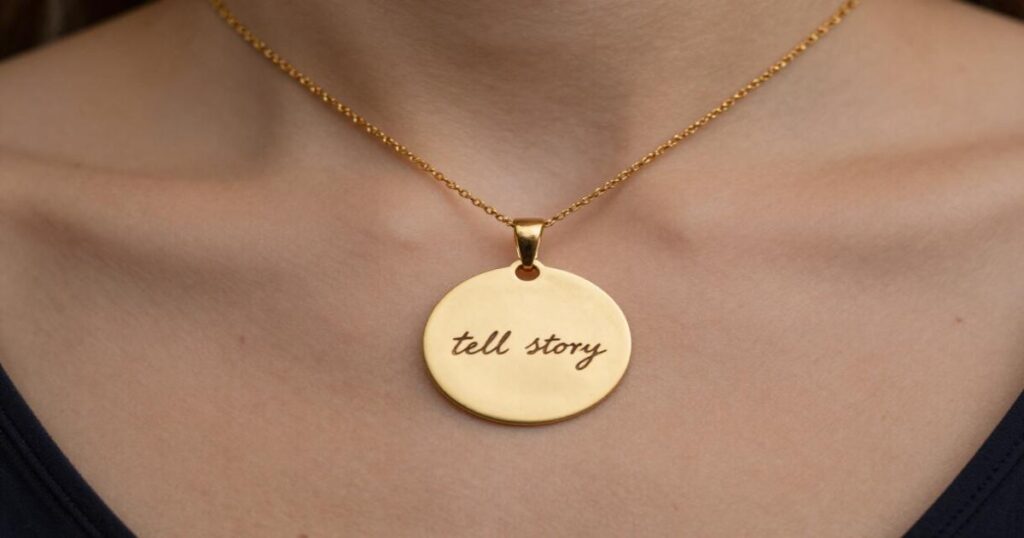
Personalized jewelry trends keep evolving, but a few styles consistently rise to the top. Here’s what’s popular now and why:
Styles
- Block-letter pendants: clean, minimal, great for everyday wear; reads clearly and photographs well (social-media friendly).
- Cursive/Calligraphy initials: romantic and soft; often chosen for heirloom-style pieces.
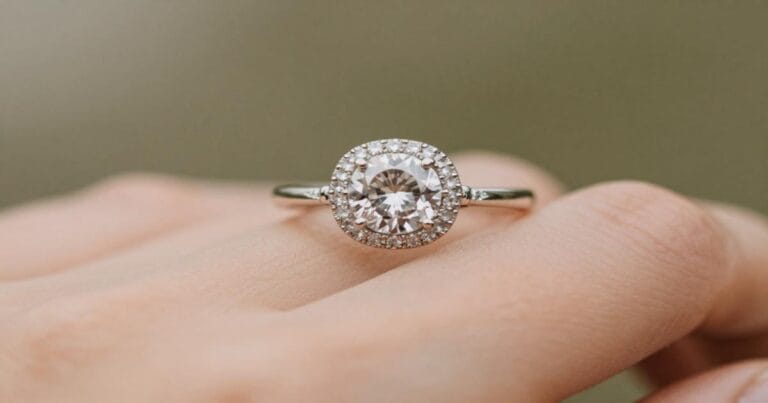
- Diamond-dot or pavé initials: luxe and celebratory; popular for gifts and milestone purchases.
- Nameplate + initial hybrid: short names with a single initial accent for layered meaning.
- Signet or engraved discs: circular discs engraved with initials feel heirloom-ish and are often used for family legacy pieces.
- Roman-numeral + initial pieces: used to mark dates or anniversaries while keeping minimalism.
Materials & Finishes
- Solid gold (10k–18k): durable, hypoallergenic (depending on alloy), considered classic.
- Gold vermeil / gold-plated sterling: more affordable; good for trend pieces, but plating will wear over time.
- Sterling silver / rhodium-plated silver: bright and wearable; may need maintenance to avoid tarnish.
- Stainless steel/titanium: budget-friendly and durable; good for active lifestyles.
- Recycled metals / ethically sourced pieces: rising in popularity for conscious consumers.
- Gemstone accents (diamonds, sapphires); used to add celebratory weight or birthstones.
What’s trending right now
Fashion outlets and industry editors note increased interest in vintage-inspired personalization (cameos, signet-like pieces) alongside minimalist single-letter pendants. Celebrity influence and curated online edits from premium brands keep both ends of the spectrum visible, from high-luxe diamond initials to accessible plated letters.
How to Choose the Right Initial Necklace (Size, Metal, Font, Chain Length)
Choosing the right initial necklace is a combination of practical fit and narrative preference. Use this step-by-step guide.
1. Decide the story you want to tell
- Personal identity: choose your own initial in a clean, readable font.
- Romantic: consider a cursive initial or paired initials.
- Heirloom vibe: pick signet-style discs or engraved scripts.
2. Pick a size that matches your lifestyle
- Mini (6–12 mm): subtle, great for everyday wear and stacking.
- Small (12–18 mm): visible but still delicate, good for workplace and casual outings.
- Medium (18–30 mm): makes more of a statement; balances readability with elegance.
- Large (30 mm+): bold, more fashion-forward.
Think: smaller sizes work better when you’ll layer; larger sizes are best as single-focus pieces.
3. Choose metal and finish
- Skin sensitivity: if you have a known allergy, pick solid gold, titanium, or stainless steel.
- Budget & longevity: solid gold retains durability and resale value; plated options are lower cost but need care.
- Aesthetic: yellow gold reads warm and classic; white gold/rhodium or silver reads modern and clean.
4. Select a font and shape
- Block fonts = modern and legible.
- Script fonts = romantic / vintage.
- Serif fonts = traditional and formal.
- Custom hand-drawn initials = personal and one-of-a-kind (often pricier).
Font greatly changes meaning: the same letter in different types feels like a different person.
5. Chain length & clasp
Common chain lengths and where they sit:
- 14–16 inches: sits at the collarbone; excellent for pendants meant to be close to the face.
- 18 inches: standard go-to length that rests just below the collarbone for most people.
- 20–24 inches: longer, good for layering and for pendants meant to hang lower.
- Adjustable chains are ideal for gifting because they fit a wider range of necks. For sizing guidance, see a standard necklace-length chart.
6. Practical tips
- If unsure, buy an adjustable chain or a chain with a few length options.
- Consider whether the wearer has an active lifestyle: sturdier chains and secure clasps (lobster clasps) are better.
- For everyday pieces, protect against water and sweat: choose metals that resist tarnish.
Styling Tips: Layering, Gifting, and Outfits That Work
An initial necklace is versatile. Here’s how to style it for different looks.
Layering basics
- Start short, then longer: put the shortest chain (often a small initial) closest to the neck, then add longer chains of varying weights.
- Vary textures: mix a delicate initial with a rope chain or a coin pendant. Contrast keeps the eye moving.
- Theme tie-in: keep a visual theme (all gold, all minimal, or mix metals intentionally for a modern twist).
Outfit pairings
- Casual: simple tee or blouse + small initial on a 16–18″ chain.
- Office: delicate initial in gold or silver with a modest neckline; it reads professional and personal.
- Evening: choose a slightly larger or gem-accented initial for sparkle with a dress or V-neck.
- Layered street style: mix a block-letter initial with a choker and a longer bar pendant.
Gifting & packaging as part of styling
Packaging tells part of the story; choose boxes, notes, or a small card explaining why you chose the initial. A good presentation increases perceived meaning and helps protect resale value later.
Gifting Guide: Occasions and Personalization Ideas
Initial necklaces are perfect gifts because they are personal without being intrusive. Here are occasion-by-occasion ideas and personalization suggestions.
Occasions
- Births: initial + birthstone or baby’s initial on a delicate chain.
- Mother’s Day: cluster of children’s initials or a disc engraved with multiple letters.
- Anniversaries: couples’ initials or a piece paired with a date in Roman numerals.
- Graduations: bold initial in a modern font to mark new identity and independence.
- Friendship: matching initials or complementary letters (first letters of nicknames).
- Sympathy/remembrance: a discreet initial paired with an engraved date or symbol.
Personalization ideas
- Double-sided engraving: initial on one side; short message or date on the other.
- Hidden message: initial on the outside, micro-engraved coordinate or date on the bail or rim.
- Birthstone accent: a small stone set into the initial’s dot or edge.
- Font choice: pick a font that “feels” like the recipient: playful, classic, modern.
- Mix metals: give a set in two metals so the recipient can match multiple outfits.
Message card example (short)
“A is for Aisha — wear this when you need to remember how brave you are.”
A thoughtful message can convert an accessory into a keepsake.
Care, Authenticity & Resale Value (How to Protect the Story)
An initial necklace carries sentimental value; protect it like you would the memories it represents. Below are practical, expert-backed instructions.
Daily care & simple cleaning
- Wipe jewelry after wearing with a soft microfiber cloth to remove oils and sweat.
- For solid gold and sterling silver, occasional gentle cleaning with mild soap and warm water + soft toothbrush is safe; dry thoroughly.
- For plated pieces, avoid abrasive cleaners; pat dry and avoid prolonged water exposure. Expert guides recommend identifying the metal before cleaning and using gentle, material-appropriate methods.
Preventing tarnish & damage
- Store pieces in separate compartments or soft pouches to prevent scratching; use anti-tarnish strips or cloth for silver.
- Remove jewelry for swimming, showering, heavy exercise, or when applying lotions/perfumes (put jewelry on last).
- Avoid sleeping in chains to prevent kinks and bent links.
Authenticity & documentation
- For higher-value pieces (solid gold, diamonds), keep receipts, certification, and any hallmark information. This aids insurance and eventual resale.
- Know the metal marks: e.g., 14k / 18k stamps for gold, “925” for sterling silver; these mark authenticity and are important for appraisals.
Resale value: what to expect
- Jewelry generally sells for less than retail. Many buyers of pre-owned pieces expect 20–50% (or sometimes less) of the original retail price, depending on condition, brand, and demand. Personalized engravings can lower market value for a broad resale audience because the piece is tailored; however, sentimental value remains high for the owner. If resale is a concern, consider removable engraved tags or reversible designs.
When to use professional services
- For heirloom pieces with stones or vintage settings, use a professional jeweler for cleaning, repairs, or re-plating to avoid value loss or damage.
- If you plan to insure your initial necklace, get an appraisal from a reputable jeweler (keep the appraisal for insurance and potential resale).
Practical Checklist: Buying & Protecting an Initial Necklace
Use this short checklist before purchase and after receiving the piece.
Before buying:
- Confirm metal type and hallmark.
- Check clasp type and chain sturdiness.
- Choose an adjustable chain length if gifting.
- Verify return policy for custom pieces (many sellers don’t accept returns on engraved items).
After receiving:
- Photograph the piece and keep receipts/certificates.
- Store in a soft pouch; use an anti-tarnish strip for silver.
- Wear consciously: remove for workouts and chemicals.
- Schedule a professional inspection for higher-value items once a year.
Conclusion: Let Your Initial Necklace Tell Your Story
Initial necklaces are tiny storytellers. They translate identity, memory, and style into wearable form. Whether you pick a tiny gold “M” for yourself, buy a pair of matching initials for a friend, or commission a custom, engraved signet for a parent, a thoughtfully chosen initial necklace becomes a shorthand biography that sits close to the heart.
If you want your necklace to keep its meaning for decades, choose the right metal, font, and chain length up front, protect it with proper care, and document authenticity. That way, the story you wear today can still be read literally and emotionally, years from now.
Frequently Asked Questions About Initial Necklaces
Q1. Are initial necklaces good everyday pieces?
Ans: Yes, choose a durable metal (solid gold, stainless steel, or rhodium-plated silver) and a sturdy chain for everyday wear. Remove for swimming and exercise.
Q2. Do personalized engravings lower resale value?
Ans: Often yes: personalized engraving narrows appeal to the general buyer. However, sentimental value increases for the owner. Consider reversible or removable engraved tags if resale is important.
Q3. Which chain length is most flattering?
Ans: 18 inches is the most versatile for many people, but 16 inches sits at the collarbone for shorter looks and 20+ inches for layered or low-hang styles. Consider adjustable chains for flexibility.
Q4. How do I prevent silver from tarnishing?
Ans: Store silver in airtight pouches, keep it dry, and use anti-tarnish strips or cloth. Wipe after wear and clean gently as needed.
Q5. What font should I choose for an initial necklace?
Ans: There’s no single “best” font; block fonts read modern, script reads romantic/vintage, and serif reads classic. Match the font’s personality to the wearer’s style.
Q6. Are plated initial necklaces a good buy?
Ans: They’re great for trends and lower budgets, but will need re-plating or careful wear over time to maintain the finish. For heirloom pieces, consider solid metal.
Q7. Is it better to engrave dates or initials?
Ans: Both are meaningful. Initials are more universally wearable; dates (especially in Roman numerals) add a discreet time anchor. Two-sided or hidden engravings combine both elegantly.
Q8. How do I choose a gift if I don’t know the recipient’s style?
Ans: Pick an adjustable chain, a simple block initial in gold or silver, and include a small note explaining your choice. An adjustable, classic piece is safe and widely appreciated.

One Comment