Yellowstone Bison Herd Lawsuit: Inside the Legal Fight Over America’s Last Wild Buffalo
The Yellowstone bison herd lawsuit has sparked nationwide attention, drawing in conservationists, ranchers, tribal nations, lawmakers, and wildlife advocates. At its core, the issue is about more than just animals. It touches on federal land policy, tribal treaty rights, disease control, livestock economics, and the future of wildlife conservation in the United States.
In this in-depth blog guide, we’ll explore what the Yellowstone bison herd lawsuit is about, who is involved, why it matters, and what it could mean for the future of America’s most iconic mammal.
Understanding the Yellowstone Bison Herd
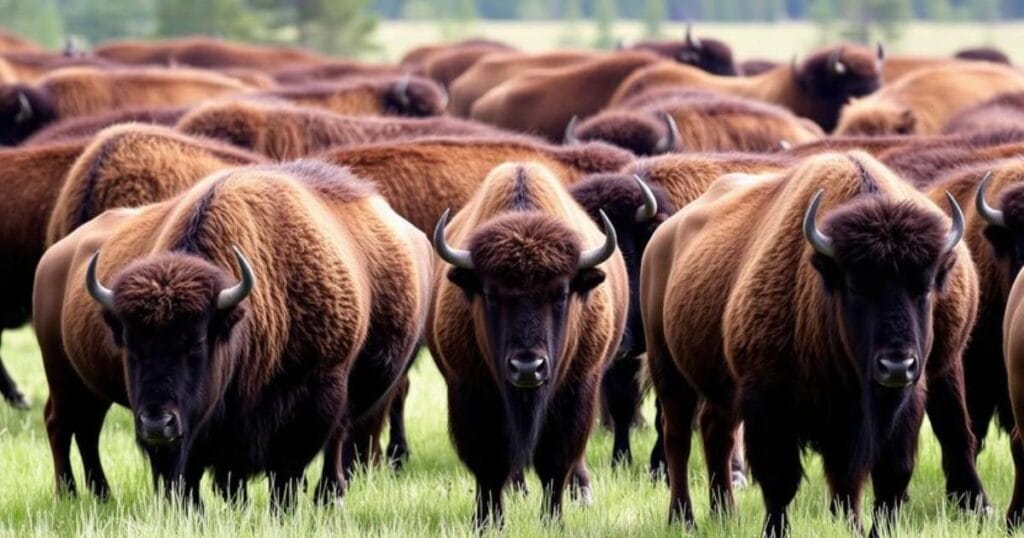
The American bison, often called buffalo, once roamed the continent in massive numbers. Today, the most genetically pure and continuously wild population survives in and around Yellowstone National Park.
Yellowstone’s bison herd is unique because:
- It is one of the few continuously wild, free-ranging bison populations in the U.S.
- It carries no cattle genes, preserving original genetics.
- It represents a symbol of American wildlife recovery.
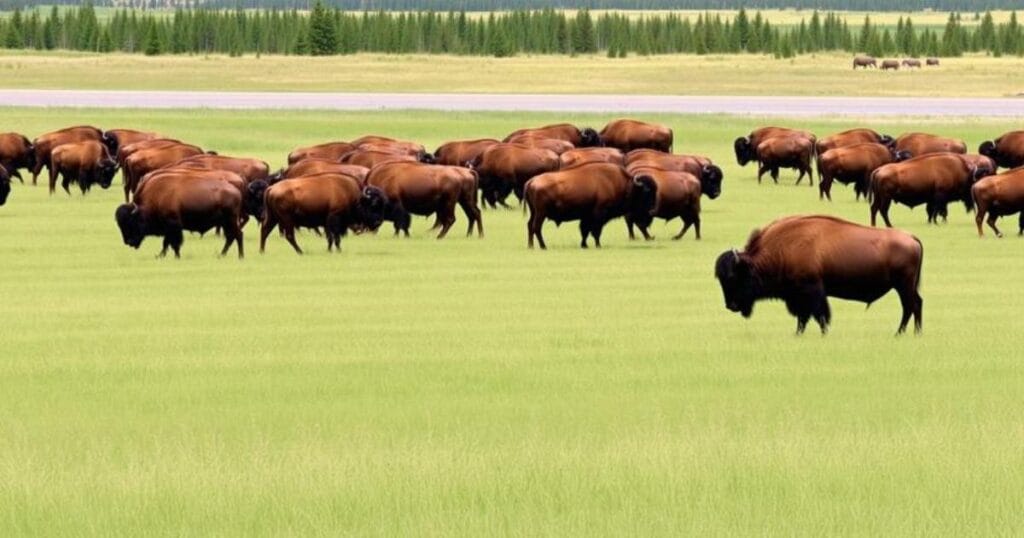
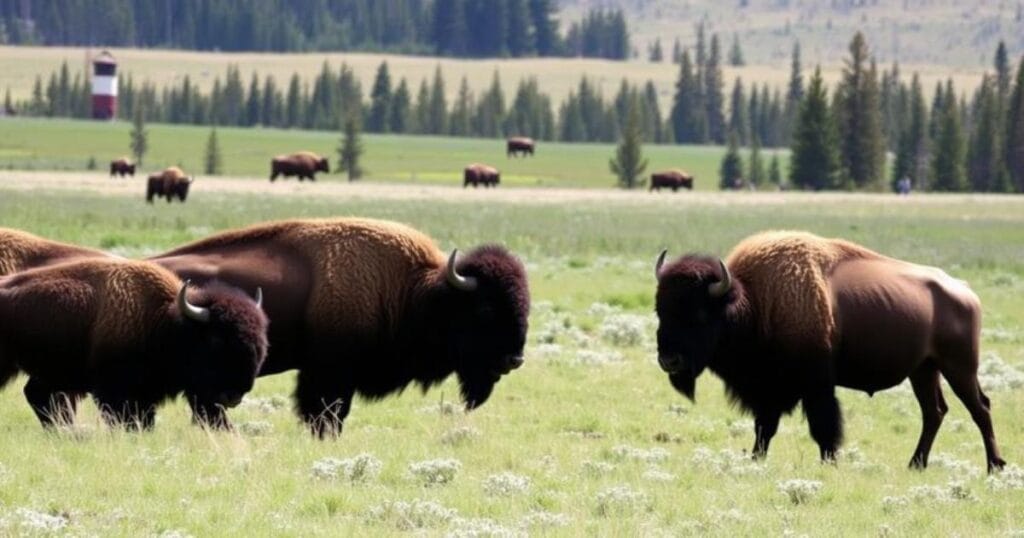
Yellowstone currently supports thousands of bison that migrate seasonally across park boundaries into Montana. This migration is at the center of the legal disputes.
What Is the Yellowstone Bison Herd Lawsuit?
The Yellowstone bison herd lawsuit refers to a series of legal challenges involving:
- State wildlife management agencies
- Federal agencies
- Ranching interests
- Tribal nations
- Environmental advocacy groups
These lawsuits generally revolve around:
- Brucellosis management
- Hunting rights
- Culling practices
- Habitat expansion
- Tribal treaty rights
- State vs. federal authority
Different lawsuits have been filed over the years, often challenging government decisions about how bison are managed once they leave Yellowstone National Park.
Why Are Bison Leaving Yellowstone?
Bison migrate naturally in search of food, especially during harsh winters. When snow covers high-elevation grasslands inside the park, they move to lower elevations in Montana.
This is a normal ecological behavior.
However, once bison cross park boundaries, jurisdiction shifts from federal to state control. That’s when conflict begins.
The Brucellosis Controversy
One of the biggest drivers of the Yellowstone bison herd lawsuit is a disease called brucellosis.
What Is Brucellosis?
Brucellosis is a bacterial disease that can cause livestock to miscarry. It is found in some wildlife populations, including:
- Bison
- Elk
Cattle ranchers fear that bison could transmit brucellosis to cattle. While confirmed transmission from wild bison to cattle in the field is rare, the economic consequences of an outbreak can be significant for ranchers.
Why This Leads to Lawsuits
When bison leave the park:
- Some are hazed (pushed back into the park)
- Some are captured and tested
- Some are slaughtered
- Some are hunted
Environmental groups argue these actions are excessive and prevent natural migration. Ranching groups argue that they are necessary to protect livestock and rural economies.
The Interagency Bison Management Plan
In 2000, agencies developed a cooperative framework known as the Interagency Bison Management Plan (IBMP).
Key participants include:
- National Park Service
- Montana Department of Fish, Wildlife & Parks
- US Department of Agriculture
The plan aims to:
- Maintain a wild bison population
- Reduce brucellosis transmission risk
- Allow limited migration
- Balance conservation and agriculture
Critics argue the plan is outdated and overly restrictive. Several lawsuits have challenged aspects of this plan.
Tribal Treaty Rights and Legal Action
Another major dimension of the Yellowstone bison herd lawsuit involves Native American treaty rights.
Several tribes hold treaty rights allowing them to hunt bison in areas outside the park. These rights stem from historic agreements between tribes and the U.S. government.
In recent years:
- Tribes have asserted hunting rights in Montana.
- Legal challenges have emerged regarding how hunting seasons are structured.
- Conflicts have arisen over state-imposed limits.
Tribal governments argue that bison are culturally sacred and central to their traditions. Restricting access can be seen as a violation of treaty obligations.
Key Legal Issues in the Lawsuits
While different cases vary, most revolve around several core legal principles.
1. Federal Authority vs. State Authority
- Yellowstone is federally managed.
- Once bison leave the park, Montana asserts regulatory control.
Lawsuits often question where federal wildlife protection ends and state livestock protection begins.
2. Endangered Species Act Questions
Although bison are not listed under the Endangered Species Act, some legal arguments involve whether certain protections should apply due to ecological significance.
3. Administrative Procedure Challenges
Environmental groups frequently argue that agencies:
- Failed to properly evaluate environmental impacts.
- Did not follow the required public input processes.
- Relied on outdated disease risk models.
These claims are often filed under federal administrative law.
Pros and Cons of Current Bison Management
Pros
- Protects the cattle industry from potential disease spread
- Reduces legal liability for the state
- Maintains controlled herd numbers
- Attempts cooperative governance
Cons
- Limits natural migration
- Results in the slaughter of healthy animals
- Creates recurring legal conflicts
- Strains relationships with tribal nations
- Raises ethical questions about wildlife management
This balance between economic security and ecological freedom lies at the heart of the Yellowstone bison herd lawsuit.
Economic Impact: Ranchers vs. Conservation
The debate is not just environmental, it’s economic.
Ranching Concerns
- Loss of brucellosis-free status can affect interstate cattle sales.
- Testing and containment are expensive.
- Livelihoods depend on stable livestock health certification.
Conservation Economy
On the other hand:
- Wildlife tourism in Yellowstone generates billions annually.
- Bison are a major attraction.
- Expanding habitat could increase eco-tourism revenue.
High CPC search terms like wildlife conservation law, federal land dispute, and tribal hunting rights cases often relate to these economic tensions.
Public Opinion and National Attention
Public opinion tends to favor wildlife conservation, especially when iconic species are involved.
Images of bison being:
- Rounded up
- Slaughtered
- Blocked by fencing
often spark emotional responses.
However, rural communities emphasize:
- Property rights
- Agricultural stability
- Disease prevention
The Yellowstone bison herd lawsuit reflects this broader cultural divide between conservation priorities and rural economic security.
Climate Change and Migration Pressure
Climate change may intensify migration patterns.
Warmer winters and altered snowfall patterns can change:
- Grazing availability
- Migration timing
- Herd density
Some experts argue that expanding habitat corridors is necessary for long-term resilience.
Failure to adapt policies could result in:
- Overcrowding
- Habitat degradation
- Increased legal challenges
Recent Developments in Bison Policy
In recent years, management policies have evolved to allow:
- Expanded tolerance zones in Montana
- Increased tribal harvest opportunities
- Greater collaboration among agencies
However, litigation continues when groups feel decisions tilt too far toward one side.
The Yellowstone bison herd lawsuit remains a dynamic legal issue, not a single isolated case.
Ethical Considerations
The lawsuits raise deeper ethical questions:
- Should wildlife be confined to artificial boundaries?
- Is disease risk justification enough to limit migration?
- How should historic treaty rights be honored in modern wildlife policy?
- Can coexistence replace control?
These are not simple yes-or-no questions.
Potential Future Outcomes
Several scenarios could unfold:
1. Expanded Habitat Access
Courts could push agencies toward more flexible migration policies.
2. Stricter Disease Controls
States could reinforce containment measures.
3. Legislative Reform
Congress could amend wildlife or land-use policies.
4. Cooperative Agreements
Tribal, state, and federal leaders could strengthen collaborative frameworks.
Each path carries legal, ecological, and economic consequences.
Why This Lawsuit Matters Beyond Yellowstone
The Yellowstone bison herd lawsuit is significant because it sets precedents for:
- Wildlife crossing state lines
- Federal land disputes
- Tribal treaty enforcement
- Disease management in wild populations
- Conservation vs. agriculture conflicts
Other states facing similar wildlife-livestock tensions are watching closely.
Lessons for Wildlife Conservation Policy
From a policy standpoint, several lessons emerge:
- Adaptive management is essential.
- Stakeholder inclusion reduces litigation risk.
- Transparency builds public trust.
- Scientific data must remain central.
- Long-term planning reduces short-term conflict.
Balancing ecological integrity with economic sustainability requires compromise.
Conclusion: A Legal Battle That Reflects America’s Values
The Yellowstone bison herd lawsuit is more than a courtroom dispute. It represents a national conversation about how the United States manages its natural heritage.
On one side are ranchers concerned about economic stability and livestock health. On the other hand, tribal nations are asserting treaty rights and cultural connections. Environmental advocates argue for ecological freedom and expanded migration corridors. Government agencies try to balance all of these interests under complex federal and state laws.
There is no simple solution.
But one thing is clear: the outcome of these legal battles will shape the future of wild bison and wildlife management across the country.
If you care about conservation, tribal rights, federal land policy, or rural economic issues, this is a case worth watching. Share your thoughts, stay informed, and engage in respectful dialogue about how America should protect its most iconic species.
Frequently Asked Questions (FAQ)
Q1. What is the Yellowstone bison herd lawsuit about?
It refers to legal disputes over how bison migrating from Yellowstone are managed, including hunting, disease control, and habitat access.
Q2. Why is brucellosis important in this case?
Brucellosis can affect cattle, and ranchers fear transmission from bison, which influences management policies.
Q3. Do tribes have the right to hunt Yellowstone bison?
Yes, several tribes assert treaty-based hunting rights in areas outside the park boundaries.
Q4. Are Yellowstone bison endangered?
No, they are not listed under the Endangered Species Act, but they are considered ecologically significant.
Q5. Why are bison sometimes slaughtered?
Some are removed to control population numbers and reduce disease transmission risks when they migrate beyond designated areas.
Q6. Could the lawsuit change wildlife policy nationwide?
Potentially, yes. Legal rulings could influence future federal and state wildlife management practices.
Q7. Is there a compromise solution?
Many experts suggest expanded habitat corridors, cooperative agreements, and science-based disease management as possible middle-ground solutions.