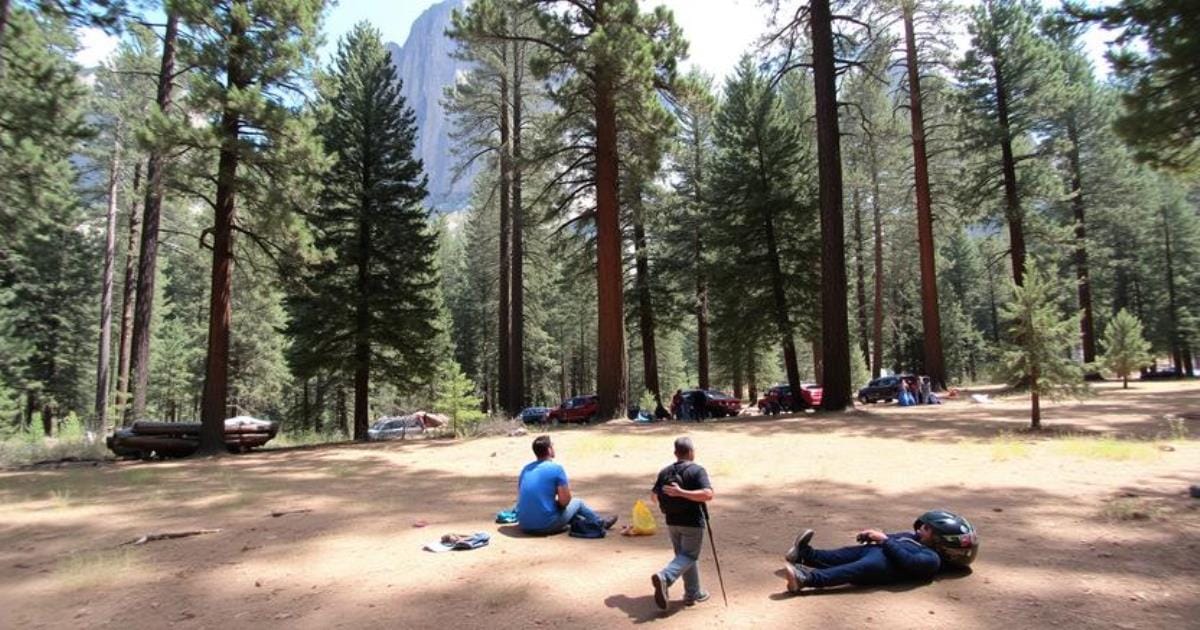
Yosemite Squatters: Laws, Risks, and Visitor Safety Advice
The phrase Yosemite squatters usually points to one simple idea: people staying in Yosemite National Park without proper permission. In a place as popular and heavily regulated as Yosemite, that kind of behavior quickly becomes a legal, safety, and resource-protection issue. The National Park Service says camping outside designated campgrounds is not allowed, and sleeping in vehicles is only permitted in designated campsites. Yosemite also has seasonal campsite rules, reservation requirements, and overnight wilderness permit requirements that make authorized stays very specific.
This guide explains what the term means, why it matters, how Yosemite camping rules work, what the law says about squatting in general, and what visitors and nearby property owners should know. It is written for an audience and focuses on practical, trustworthy information rather than rumor or hype.
What Yosemite squatters usually mean
Yosemite squatters is not a formal park category. In everyday use, it usually refers to people who are staying overnight in the park without a valid campsite, wilderness permit, or other authorization. That can include unauthorized camping, sleeping in a vehicle outside a designated site, or occupying a place longer than park rules allow. Yosemite’s own visitor guidance makes clear that camping is limited to designated areas and that visitors should report illegal acts to park officials.
That distinction matters because Yosemite is not the same as a private property dispute. A person who breaks a park camping rule is usually not creating a property claim. They are violating park-use rules. For readers searching this topic, the real issue is often not “can someone live there forever?” but “what happens when someone tries to stay somewhere they are not allowed to stay?” The answer, in Yosemite, starts with park regulations and enforcement.
Why Yosemite is a hotspot for unauthorized camping
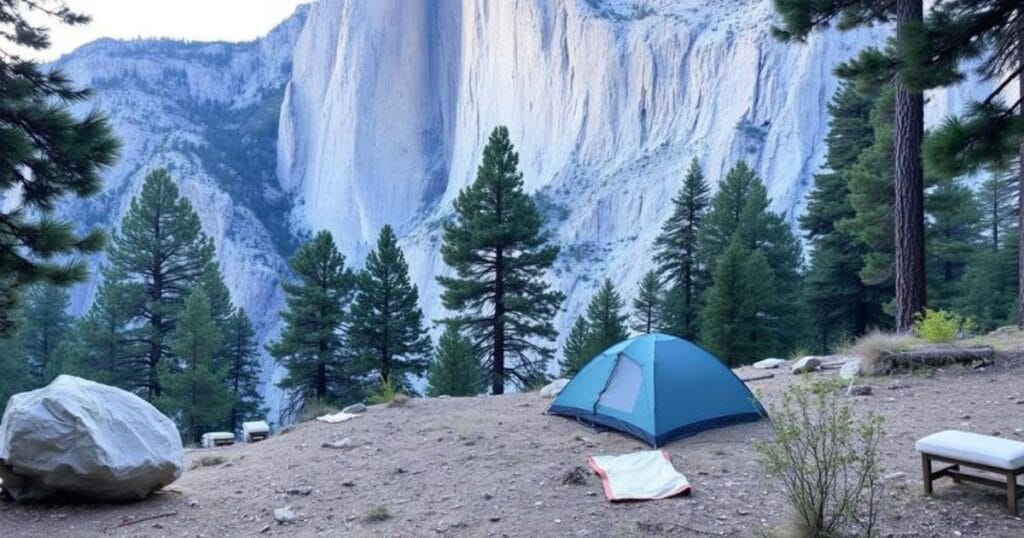
Yosemite attracts huge demand, especially during the main travel season. The park requires reservations for all campgrounds for much of the year, and campsite access can be limited or difficult to secure. Yosemite also has a clear seasonal camping structure: the park says there is a 30-night camping limit in a calendar year, but from May 1 to September 15, the limit is 14 nights, and only seven of those nights can be in Yosemite Valley or Wawona. That kind of system is designed to spread access, protect resources, and keep the park manageable for everyone.
There is also a practical reason the issue gets attention: Yosemite is a place where many people arrive hoping to figure it out later. That approach does not work well there. The park says reservations are required for all campgrounds from approximately April through October, and the Camp 4 reservation system uses a rolling one-week release window in 2025. In other words, visitors who show up without a plan may not find legal overnight space.
Reservation pressure and campground rules
Yosemite’s reservation system is one of the main reasons people end up outside the rules. The National Park Service states that reservations are required for all campgrounds for much of the year, and that “Camping Without a Reservation” is a special problem in the middle of the busy season. The park also warns visitors not to arrive expecting to sleep in the park without a reserved place, because they may have to leave the park to sleep elsewhere.
The result is that legitimate camping in Yosemite is very structured. You may need to book in advance, meet campsite occupancy limits, and stay within the allowed number of nights. That is very different from the casual idea some people have of “just finding a spot and staying.” Yosemite’s rules are built to manage congestion, protect natural areas, and reduce conflicts between visitors.
Backcountry camping is also regulated
Some people assume that if a front-country campground is full, they can simply sleep somewhere in the wilderness. Yosemite does allow overnight wilderness use, but only with a wilderness permit. The park says that a wilderness permit is required for all overnight wilderness use and must be in the permit holder’s possession while in the wilderness. Yosemite also has backpackers’ campgrounds for wilderness permit holders to stay the night before and after their trip in certain circumstances.
That matters because a lawful wilderness stay is not the same as an unauthorized camp. The park’s system is designed to separate permitted backcountry use from informal occupancy. If someone is sleeping overnight without the right permit or outside the allowed area, the issue becomes a rule violation, not an acceptable workaround.
Vehicle sleeping is not a loophole
Another common misconception is that a car or RV is somehow exempt from camping rules. Yosemite says camping or sleeping in vehicles is permitted only in designated campsites, and sleeping in vehicles is not permitted anywhere else in the park. The park also states that you may not sleep in your car or RV unless you are in a campsite you are registered to stay in, and sleeping along the side of the road is not allowed.
That makes vehicle sleeping a major enforcement issue because it often looks informal to visitors, but it is still governed by the same campsite rules. For anyone searching “Yosemite squatters” because they plan to sleep in a van, SUV, or RV, the most important takeaway is simple: parking somewhere is not the same as legally camping there.
The legal side: squatter, trespasser, and camper are not the same thing
In U.S. property law, the term squatter’s rights is loose and can be misunderstood. Cornell Law School’s Legal Information Institute explains adverse possession as a doctrine under which a trespasser in physical possession of land owned by someone else may acquire a valid title to the property if state-specific requirements are met. That concept is about a legal path that is usually tied to long-term, legally recognized possession rules, not a casual overnight stay.
That does not translate into a free pass in Yosemite. National park camping is controlled by park regulations, wilderness permits, and designated sites. In plain English, someone cannot simply move into a campground, roadside pullout, or backcountry location and then treat that as a legal right. Yosemite’s rules are the governing standard for staying there overnight, not the kind of private-land disputes that adverse possession laws usually address.
Adverse possession in plain English
Adverse possession exists in some state-law systems because the law sometimes recognizes long, open, hostile, and continuous possession under strict conditions. But that does not mean “I stayed here for a while” equals ownership. It is a narrow legal doctrine, and the rules vary by jurisdiction. The key point for readers is that it is not a shortcut for lawful camping, and it is not a defense that turns an unauthorized Yosemite stay into an approved one.
For homeowners and rental-property owners, this distinction is important. California’s eviction process for tenants involves notice, court filing, and a legal process. That process is different from a simple trespass situation. If a person is a tenant, the landlord must follow eviction rules. If a person is merely unauthorized, the response may involve trespass enforcement and other legal steps, depending on the facts.
Why does this not create a free pass in a national park?
Yosemite is public land with specific use rules, not an ordinary private residence. The park’s own guidance says visitors should report illegal acts, including camping outside designated campgrounds. The rule structure shows that staying overnight in the park is permission-based, not claim-based. That is the key reason the term “squatter” can be misleading in a national-park setting: the real issue is usually unauthorized use, not title to property.
Why unauthorized occupancy causes real problems
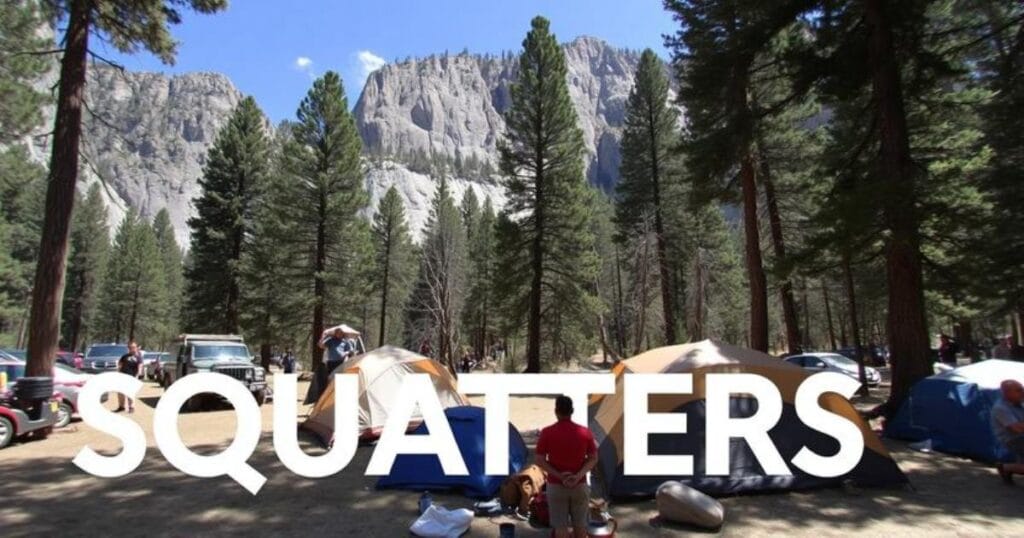
Unauthorized camping is not just a paperwork issue. It can create wildlife risks, sanitation problems, safety hazards, and damage to fragile park resources. Yosemite’s safety page specifically tells visitors to contact a park official if they see camping outside designated campgrounds. The park also warns against activities that damage resources or create danger, which shows how seriously it treats unauthorized use.
When people stay where they should not, they may increase pressure on bathrooms, trash systems, parking areas, and natural habitats. Yosemite’s camping rules exist partly to keep the park clean and safe, and partly to preserve the landscape for other visitors. That is one reason unauthorized use gets treated as more than a minor inconvenience.
There is also the human safety side. In a mountain park, weather changes, road conditions, wildlife encounters, and emergency access all matter. Yosemite’s permit system helps park staff know where visitors are supposed to be. When someone stays outside the system, it becomes harder for the park to manage risk, rescue, and resource protection.
What the National Park Service expects from visitors
Yosemite makes its expectations unusually clear. For campgrounds, the park says reservations are required during much of the year, and it sets specific night limits. For vehicle sleeping, it says the only allowed locations are designated campsites. For wilderness use, it says a permit is required. And for illegal behavior, the park tells visitors to contact a park official.
That means the safest way to think about Yosemite is simple: plan first, stay only where authorized, and do not assume an informal setup will be accepted. Even if the place looks quiet or empty, that does not mean overnight use is allowed. Yosemite’s rules are based on authorization, not appearance.
Legitimate overnight options in Yosemite
If you are trying to camp legally, Yosemite provides several official pathways. Campground reservations are required during the busy season. Camp 4 has its own rolling reservation process, and wilderness permit holders have backpacker campground options around their trip dates. Those options are the correct way to spend the night in the park.
For many readers, the easiest lesson is this: there is a lawful way to stay in Yosemite, but it depends on the right permit or reservation. That is true whether you are a tent camper, backpacker, van traveler, or RV visitor.
What nearby property owners should know
The phrase Yosemite squatters can also matter to owners of cabins, vacation rentals, seasonal homes, or other property near the park. In California, landlords and property owners must carefully separate a tenant situation from a trespass situation. California Courts explains that the eviction process for landlords begins with notice, then a court case, and then court proceedings if needed. That process is not optional when someone has tenant rights.
For unauthorized occupants, the immediate response can be different, but it still needs to be lawful and documented. Good property management usually starts with clear records, proof of ownership, lease or booking information, photos if safe to take them, and timely contact with local law enforcement or legal counsel when appropriate. Because laws differ by county and by the exact facts, this is one area where a real estate lawyer or landlord-tenant attorney can be valuable.
For vacation-rental hosts and short-term rental owners, prevention matters almost as much as response. Strong booking rules, verified check-in procedures, working locks, exterior lighting, and rapid reporting of trespass issues can reduce losses. Those steps do not replace legal advice, but they do help protect property and reduce the chance of an unauthorized stay turning into a bigger problem.
The difference between visitors and trespassers
A lot of confusion comes from the fact that Yosemite welcomes millions of visitors. Because the park is open to the public, some people assume almost any overnight stay is acceptable. It is not. Yosemite allows recreational use, but it ties that use to designated sites, permits, and time limits. The park’s own guidance on camping and wilderness use shows that public access does not mean free occupation.
That distinction is important for trust and safety. A lawful camper is using a place the park has set aside for that purpose. A trespasser is using the area without permission. For park staff, that changes the response immediately. For visitors, it changes the rules of planning. For property owners, it changes the legal path.
Pros and cons of tighter enforcement
Tighter enforcement of camping rules has clear benefits. It protects natural areas, reduces crowding, makes emergency response easier, and helps keep campground use fair for people who reserved properly. It also lowers the chance of dangerous roadside sleeping and unauthorized backcountry stays. Yosemite’s regulations are designed with those goals in mind.
There are also trade-offs. Strict rules can frustrate travelers who arrive without a reservation, and popular parks often create real lodging pressure. In busy seasons, some visitors may have trouble finding legal overnight space nearby. Still, frustration does not make unauthorized camping legal. The park’s system exists to balance access, preservation, and safety, even when demand is high.
Common myths about Yosemite squatters
One common myth is that if a spot looks unused, it is fair game. Yosemite’s camping rules reject that idea. Designated use, not emptiness, is what matters. Another myth is that sleeping in a vehicle is safer from a legal perspective. In Yosemite, sleeping in vehicles is only allowed in designated campsites, so the vehicle does not change the rule.
A third myth is that long enough occupancy automatically creates rights. In U.S. law, adverse possession is a narrow doctrine with state-specific requirements, and it does not turn a casual unauthorized stay into an approved national-park stay. The park’s permit and campground rules control the overnight use of Yosemite.
A fourth myth is that reporting an unauthorized camp is overreacting. Yosemite’s safety guidance says the opposite: visitors should contact a park official if they see illegal acts, including camping outside designated campgrounds. That is part of how the park protects people and resources.
Practical tips for staying legal and avoiding trouble
If your goal is to visit Yosemite without legal stress, the best approach is planning. Check campground availability early, understand the reservation window, and make sure your dates match the site rules. If you are backpacking, secure the right wilderness permit before you go. If you are sleeping in a vehicle, confirm that your site specifically allows it. These steps sound basic, but they prevent most problems before they start.
It also helps to keep the trip simple. Do not rely on roadside sleeping, do not assume a quiet area is available for camping, and do not treat any pullout, meadow edge, or empty lot as an acceptable overnight spot. Yosemite’s rules are explicit enough that guessing is usually the wrong strategy.
For property owners near Yosemite, the best prevention steps are equally practical. Keep records organized, use clear rental agreements, verify guests, inspect properties regularly, and respond quickly to any sign of unauthorized occupancy. If the issue involves a tenant, follow the eviction process. If it is a trespass issue, document and escalate appropriately.
Bottom line for readers searching for Yosemite squatters.
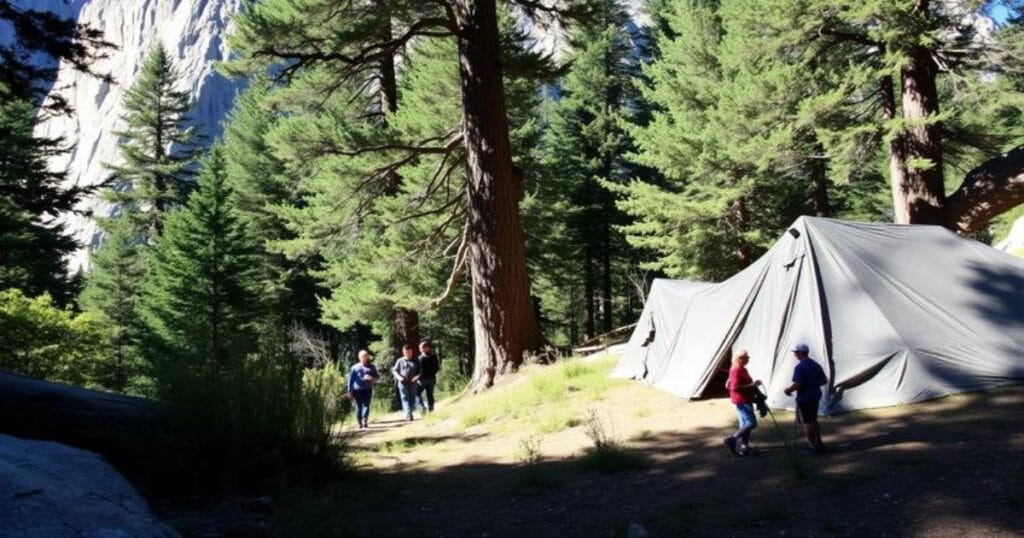
If you searched for Yosemite squatters, the main takeaway is that the phrase usually refers to unauthorized overnight occupation, not a legal right to stay. Yosemite has detailed rules for campgrounds, vehicle sleeping, and wilderness use. Those rules are strict because the park must protect visitors, wildlife, and fragile landscapes while also managing very high demand.
The smartest path is to treat Yosemite as a reservation-and-permit park, not a place where you can improvise an overnight stay. For visitors, that means planning ahead. For property owners, that means knowing the difference between a tenant matter and a trespass matter. For everyone, it means understanding that squatter is not a shortcut around park rules.
Conclusion
Yosemite is one of the most beloved parks in the United States, but it is also one of the most regulated. That is not a bad thing. The rules about reservations, camping limits, wilderness permits, and vehicle sleeping exist to keep the park safe and preserve it for the future. When people ignore those rules, they create problems that affect everyone else.
If you are planning a trip, the best move is to book early, read the park rules carefully, and choose only approved overnight options. If you own property near Yosemite, keep your records tight and respond quickly to any unauthorized occupancy. Either way, the big lesson is the same: in Yosemite, legal access matters more than convenience.
FAQs
Q1. What does “Yosemite squatters” mean?
It usually means people staying overnight in Yosemite without the proper campground reservation, wilderness permit, or other authorization.
Q2. Is sleeping in a car allowed in Yosemite?
Only in a designated campsite where you are registered to stay. Sleeping in a vehicle anywhere else in the park is not allowed.
Q3. Do I need a permit to camp in Yosemite?
For wilderness overnight use, yes. Yosemite says a wilderness permit is required for all overnight wilderness use. Campgrounds also follow reservation rules during much of the year.
Q4. Can someone gain rights just by staying somewhere in Yosemite?
No easy shortcut exists. U.S. adverse possession is a narrow legal doctrine with state-specific rules, and it is not a way to bypass Yosemite’s camping regulations.
Q5. What should I do if I see illegal camping in Yosemite?
The park says visitors should contact a park official if they see illegal acts, including camping outside designated campgrounds.
Q6. What is the legal difference between a tenant and a squatter in California?
A tenant is usually removed through the eviction process, which involves notice and a court case. A squatter or trespasser may involve different legal steps depending on the facts.
Q7. Is there a legal place to stay overnight if campgrounds are full?
Yes, but it depends on your trip type. Wilderness permit holders may use backpacker campgrounds in certain circumstances, and some reservations can be found in advance or through cancellations.
Q8. What is the safest way to avoid problems in Yosemite?
Book early, follow the campsite rules, use only approved overnight areas, and check the park’s current guidance before you go.