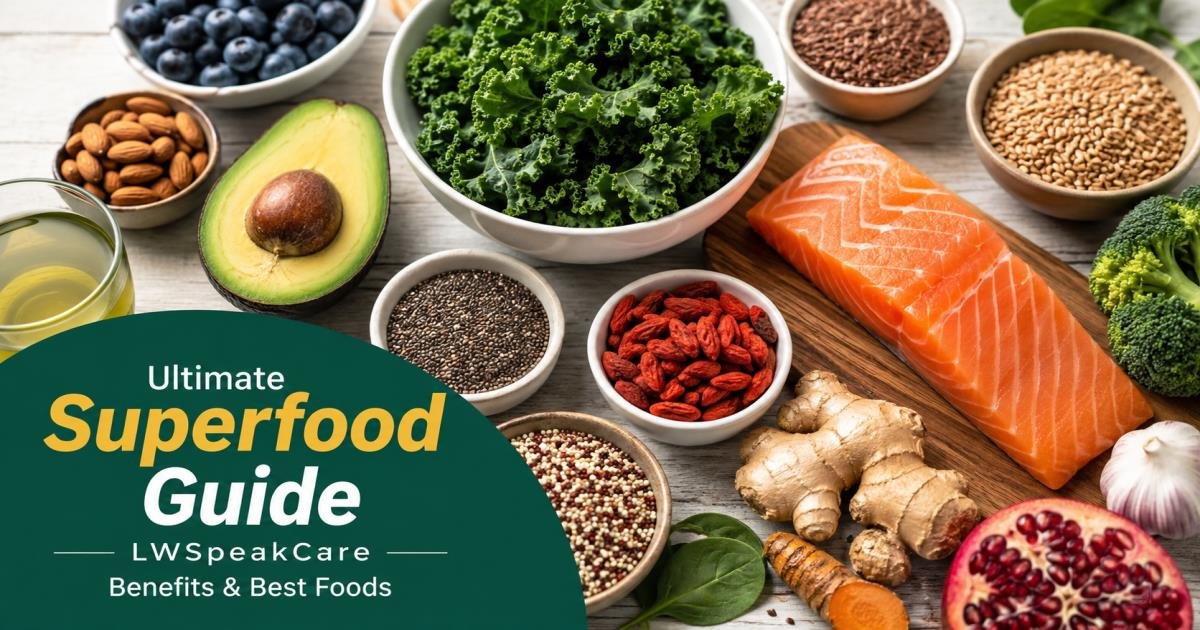
Ultimate Superfood Guide LWSpeakCare: Benefits & Best Foods
The Ultimate Superfood Guide LWSpeakCare is a clear, practical resource that explains nutrient-dense foods. These foods deliver high levels of vitamins, minerals, fiber, healthy fats, and plant compounds for the calories they contain. Including them in a balanced diet supports everyday health. They are not miracle cures and work best alongside regular meals. Healthy habits, and overall variety.
Nutrient-dense foods give your body more of what it needs with fewer empty calories. A handful of blueberries or a serving of leafy greens packs more helpful nutrients than many processed snacks of the same size. Use them to fill out your plate. Expect better nutrition over time, not overnight changes.
What Is the Ultimate Superfood Guide LWSpeakCare?
The Ultimate Superfood Guide LWSpeakCare focuses on real foods with strong nutritional profiles. Its goal is to help people pick practical options and use them in daily meals.
“Superfood” is a popular label, not a formal nutrition category. Experts talk about nutrient density instead. That means how many vitamins, minerals, fiber, and other helpful compounds a food provides relative to its calories. Watercress, spinach, and similar greens often score high on nutrient-density rankings because they supply a wide range of nutrients for very few calories.
Readers get straightforward explanations of common nutrient-rich foods, realistic benefits drawn from nutrition research, simple meal ideas, budget choices, and clear limits. No single food prevents disease. The guide shows how these foods fit into balanced eating that supports long-term health.
Also Read: Kilauea Chicken: What It Is, Why It’s Popular, and How to Make It at Home
What Makes a Food a “Superfood”?
Several traits raise a food’s value.
Nutrient density sits at the center. Foods that supply meaningful amounts of vitamins, minerals, and other compounds per calorie stand out.
Vitamins and minerals matter. Leafy greens typically deliver vitamin K, folate, and potassium. Fatty fish supply vitamin D and B vitamins. Berries offer vitamin C.
Fiber supports digestion and steady energy. Beans, lentils, whole grains, and many fruits and vegetables provide it.
Healthy fats include monounsaturated fats found in avocados and omega-3 fatty acids present in fatty fish, walnuts, and flaxseeds.
Antioxidants and plant compounds such as anthocyanins in berries, catechins in green tea, and curcumin in turmeric help the body manage everyday oxidative stress.
Protein quality also counts. Fish, yogurt, and eggs provide complete protein. Beans and grains complement each other to meet plant-based dietary needs.
No single trait makes a food special. The mix of these elements in whole foods creates the advantage.
Top Superfoods to Include in Your Diet
Blueberries and Other Berries
Berries supply fiber, vitamin C, and anthocyanins. Studies link regular berry intake with support for heart markers and cognitive function, especially in older adults. One cup of blueberries typically provides a solid dose of these compounds. Fresh or frozen both work.Add a small handful to your yogurt or oatmeal.
Leafy Green Vegetables
Spinach, kale, Swiss chard, and similar greens rank among the highest in nutrient density. They deliver vitamins A, C, and K, folate, and minerals with almost no calories. Darker leaves generally offer more. Toss them into salads, scramble them with eggs, or stir them into soups.
Fatty Fish Such as Salmon
Salmon and similar fish provide high-quality protein plus omega-3 fatty acids EPA and DHA. These fats promote the health of the heart and brain. Two servings most weeks cover typical recommendations. Canned salmon or sardines make the option easy and affordable.
Nuts and Seeds
Almonds, walnuts, chia, and flaxseeds offer healthy fats, protein, fiber, vitamin E, and minerals. A small handful provides a satisfying snack and adds crunch to meals effortlessly.
Beans and Lentils
These legumes deliver plant protein, fiber, iron, and folate at low cost. They support stable blood sugar levels and promote digestive health. A half-cup serving of cooked lentils typically supplies around 8–9 grams of protein and a good amount of fiber. Rinse canned versions to cut sodium.
Avocados
Avocados are high in monounsaturated fats, fiber, and potassium. They support heart-friendly eating. Mash them on toast, slice them into salads, or blend them into smoothies for creaminess.
Whole Grains
Oats, brown rice, and other whole grains provide fiber, B vitamins, and steady energy. Oats stand out for beta-glucan, a soluble fiber that helps manage cholesterol.A bowl of oatmeal is a straightforward way to start the day.
Greek Yogurt and Fermented Foods
Plain Greek yogurt offers protein, calcium, and beneficial bacteria. Other fermented options such as kefir add variety for gut support. Select plain versions of products and add your own fruit to manage sugar intake.
Garlic and Turmeric
These everyday kitchen items contain compounds linked to modest anti-inflammatory effects in research. Cook with them regularly for flavor and potential support rather than high doses.
Green Tea
Green tea contains catechins and a mild amount of caffeine plus L-theanine. It fits easily into daily routines for hydration and light antioxidant support. Two to three cups a day work for most people.
Health Benefits of Superfoods
Supporting Heart Health
Foods rich in fiber, potassium, healthy fats, and plant compounds contribute to better cholesterol and blood pressure support when eaten as part of overall patterns. Salmon, nuts, oats, and berries appear often in heart-focused research.
Supporting Digestive Health
Fiber from berries, greens, beans, and whole grains feeds beneficial gut bacteria and promotes regularity. Fermented foods add live cultures for extra support.
Helping Meet Daily Nutrient Needs
Many people fall short on certain vitamins, minerals, and fiber. Nutrient-dense choices help close those gaps without large calorie increases. A plate that includes leafy greens and beans typically covers more daily needs than a plate of refined foods.
Supporting Brain and Cognitive Health
Omega-3s from fish and anthocyanins from berries show up in studies related to cognitive function, especially with aging. Consistent intake over time matters more than occasional large servings.
Supporting Normal Immune Function
Vitamins A, C, and zinc from varied produce, plus overall good nutrition, help the immune system function normally. No food boosts immunity beyond meeting basic needs.
Supporting Healthy Energy Levels
Complex carbohydrates from whole grains, protein, and fiber-rich foods reduce energy crashes compared with refined options. A breakfast of oats and berries typically holds better than a sugary pastry.
How to Choose the Best Superfoods for Your Goals
For heart-friendly eating, prioritize fatty fish, nuts, avocados, oats, berries, and leafy greens.
For digestive health, focus on beans, lentils, whole grains, fermented dairy, and fiber-rich produce.
For plant-based nutrition, lean on beans, lentils, nuts, seeds, leafy greens, berries, and whole grains.
For protein and muscle support, include Greek yogurt, eggs, fatty fish, beans, and nuts.
For affordable everyday meals, choose frozen berries, dried or canned beans, oats, eggs, canned fish, seasonal vegetables, and practical portions of nuts and seeds.
How to Add Superfoods to Everyday Meals
Breakfast ideas include oatmeal topped with berries and a few walnuts, Greek yogurt with fruit and seeds, or eggs with spinach and whole-grain toast.
Lunch combinations work well as salads with leafy greens, beans, avocado, and a piece of fish or eggs, or whole-grain wraps filled with vegetables and yogurt-based sauce.
Dinner options can feature baked salmon with roasted vegetables and brown rice, lentil soups with greens and garlic, or simple stir-fries with mixed vegetables and a protein source.
Healthy snacks include a handful of nuts, carrot sticks with hummus, apple slices with a bit of peanut butter, or plain yogurt with berries.
Smoothies and simple meal additions are easy. Blend frozen berries, spinach, Greek yogurt, and a banana, or stir turmeric and garlic into soups and stews.
Affordable Superfoods for a Healthy Diet
Frozen berries keep most of their nutrients and cost less than fresh out of season.
Beans and lentils rank among the cheapest sources of protein and fiber.
Oats provide steady energy at low cost.
Eggs offer high-quality protein and nutrients.
Canned fish such as salmon or sardines deliver omega-3s without high prices.
Seasonal vegetables keep produce costs down while maximizing freshness.
Seeds and nuts work well in small, measured portions to control expense.
These choices make nutrient-dense eating realistic for most budgets.
Superfoods vs. Supplements: Which Is Better?
Whole foods come first. They provide fiber, a mix of compounds that work together, and satisfaction that isolated nutrients often lack. Research generally links nutrients from food with better health associations than the same nutrients from most supplements.
Supplements can play a role for diagnosed deficiencies, certain life stages such as pregnancy, or specific medical advice. Vitamin D is a common example in regions with limited sun exposure.
Supplements should not replace a varied diet. They lack the full mix found in whole foods and can create imbalances if overused.
Common Superfood Myths to Avoid
One food cannot prevent disease. Overall eating patterns matter far more.
More is not always better. Excess calories or digestive discomfort can result from large amounts.
Expensive foods are not automatically healthier. Many affordable options perform just as well.
These foods cannot replace exercise or sleep. The basics of health still apply.
No food performs special detox. The liver and kidneys already handle normal processes. Supportive foods help general function but do not cleanse the body in special ways.
Are Superfoods Safe for Everyone?
Food allergies and intolerances require care. Common issues include nuts, fish, dairy, and certain seeds.
Some medications interact with specific foods. High vitamin K intake can affect blood thinners. Check with a professional if you take medications.
Portion sizes matter for calorie balance and digestion.
Pregnancy and other special needs may call for adjusted choices, including limits on certain fish due to mercury.
Ask a qualified healthcare professional or registered dietitian when individual health conditions raise questions.
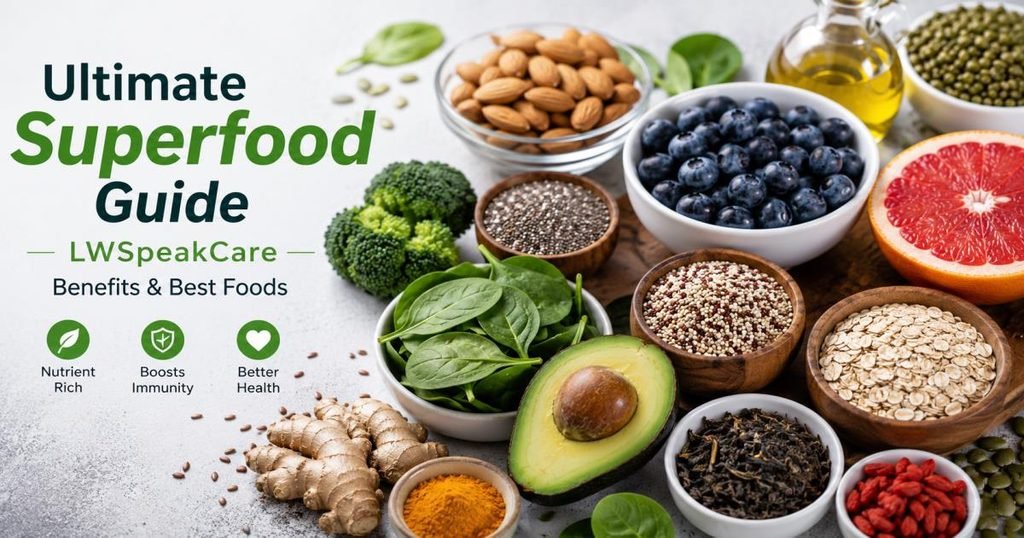
A Simple 7-Day Superfood Meal Plan
Ingredients stay practical and widely available.
Day 1
Breakfast: Oatmeal with frozen blueberries and a few walnuts.
Lunch: Spinach salad with chickpeas, avocado, and olive oil.
Dinner: Baked salmon with roasted broccoli and brown rice.
Snack: Greek yogurt.
Day 2
Breakfast: Scrambled eggs with spinach and whole-grain toast.
Lunch: Lentil soup with garlic and a side of mixed greens.
Dinner: Bean and vegetable stir-fry over quinoa.
Snack: An apple with a small handful of almonds.
Day 3
Breakfast: Greek yogurt topped with berries and chia seeds.
Lunch: Canned tuna salad with leafy greens and whole-grain crackers.
Dinner: Simple protein with kale and sweet potato.
Snack: Carrot sticks with hummus.
Day 4
Breakfast: Smoothie with spinach, frozen berries, banana, and yogurt.
Lunch consists of a quinoa bowl filled with black beans, avocado, and salsa.
Dinner: Grilled or canned fish with mixed vegetables.
Snack: Handful of mixed nuts.
Day 5
Breakfast: Overnight oats with berries and flaxseeds.
Lunch: Large green salad with hard-boiled eggs and seeds.
Dinner: Lentil dish with turmeric, garlic, and brown rice.
Snack: Plain Greek yogurt.
Day 6
Breakfast: Whole-grain toast with avocado and tomato.
Lunch: Bean chili with a side of leafy greens.
Dinner: Salmon or sardines with roasted vegetables and quinoa.
Snack: Thawed frozen berries with a few walnuts.
Day 7
Breakfast: Eggs with sautéed greens and fruit on the side.
Lunch: Leftover grain bowl or salad with added beans.
Dinner: Vegetable and bean stew with whole grains.
Snack: Simple yogurt or a piece of fruit with seeds.
Adjust portions and proteins to your needs. Seasonal swaps keep costs low.
How to Build Your Own Superfood Plate
Start with a protein source such as fish, eggs, yogurt, beans, or nuts.
Fill half of the plate with vegetables and add some fruit
Add whole-food carbohydrates like oats, brown rice, or potatoes.
Include a source of healthy fats from avocado, nuts, seeds, or olive oil.
Drink water or unsweetened green tea for hydration.
This template creates balanced meals without complicated rules.
Final Takeaway
Variety, balance, portion awareness, and consistency matter most. Choose nutrient-dense foods you enjoy and can afford. Build them into meals you will actually eat. Focus on overall patterns rather than perfect single foods. Small, steady changes support better nutrition over time.
Frequently Asked Questions About Ultimate Superfood Guide LWSpeakCare
What is the Ultimate Superfood Guide LWSpeakCare?
It is a practical resource that explains nutrient-dense foods, their realistic benefits, and simple ways to include them in everyday eating.
What are the best superfoods to eat every day?
Leafy greens, berries, beans or lentils, nuts or seeds, and whole grains or fatty fish form a strong everyday foundation. Rotate options for variety.
Are superfoods scientifically proven?
Individual foods show supportive evidence for specific nutrients and compounds. The strongest results come from overall dietary patterns rich in these foods.
Can superfoods help with weight management?
Nutrient-dense, high-fiber foods can increase fullness and help with calorie control when they replace less filling options. They work as tools within a balanced approach.
Can I follow a superfood diet on a budget?
Yes. Frozen produce, dried or canned beans, oats, eggs, canned fish, and seasonal vegetables deliver high nutrition at low cost.
Are superfoods better than regular healthy foods?
Many so-called superfoods are simply regular healthy foods with strong nutrient profiles. Focus on nutrient density rather than labels.
How many superfoods should I eat each day?
There is no set number. Aim for several servings of vegetables and fruit plus protein and whole grains across the day. Consistency across meals matters more than counting specific items.